April 13, 2026
A piano is far more than a musical instrument; it is a complex feat of engineering comprised of thousands of moving parts made of wood, felt, and metal. Because these materials are highly sensitive to their environment and the mechanical stress of play, consistent care is the only way to protect your investment. Preventive maintenance is not just about keeping the instrument in tune; it is about slowing the inevitable wear and tear that leads to expensive restoration projects. By understanding the factors that affect the structural integrity of your instrument, you can take proactive steps to ensure its longevity and musicality. Taking a few simple precautions today can save you from the frustration of a silent or poorly functioning instrument in the future.
Controlling the Internal Climate
The most significant threat to the health of a piano is the fluctuation of temperature and humidity. Because the soundboard and pinblock are made of wood, they expand and contract as moisture levels in the air change. If the air is too dry, the wood can shrink and crack; if it is too humid, the wood swells, causing keys to stick and strings to go out of tune. Maintaining a consistent humidity level, ideally between forty and fifty percent, is the single most effective way to avoid premature piano repairs. Many homeowners find that installing an internal climate control system specifically designed for pianos is the best way to stabilize these conditions year-round.
In addition to humidity, the physical placement of the instrument within a room plays a vital role in its preservation. Pianos should be kept away from direct sunlight, heating vents, and drafty windows, as these external factors create microclimates that stress the delicate components. Rapid temperature changes can cause the metal strings to expand or contract at different rates than the wooden frame, leading to instability in the tuning. By choosing a stable, interior wall for your piano, you minimize the environmental strain that often results in the need for professional piano repairs.
Managing the Playback Intensity
While pianos are designed to be played, the intensity and frequency of use directly impact the rate of mechanical degradation. Professional-grade instruments in high-traffic environments face much more significant challenges than those in private homes. According to industry trends cited in Business Research Insights, 60% of global music schools prioritize pianos, correlating with higher repair volumes for structural issues like action regulation and voicing. This data highlights the fact that even high-quality instruments require more frequent oversight when they are subjected to rigorous daily practice schedules.
For the home enthusiast, managing playback intensity means being mindful of the physical force used during practice. Playing with excessive force can compress the hammers more quickly, leading to a harsh or bright tone that eventually requires voicing. Regularly rotating the repertoire you practice can also help distribute the wear across the entire keyboard rather than concentrating it on a few octaves. When an instrument is pushed to its mechanical limits without rest or adjustment, it often requires more frequent and costly piano repairs to restore its original touch and response.
Scheduling Regular Professional Tunings
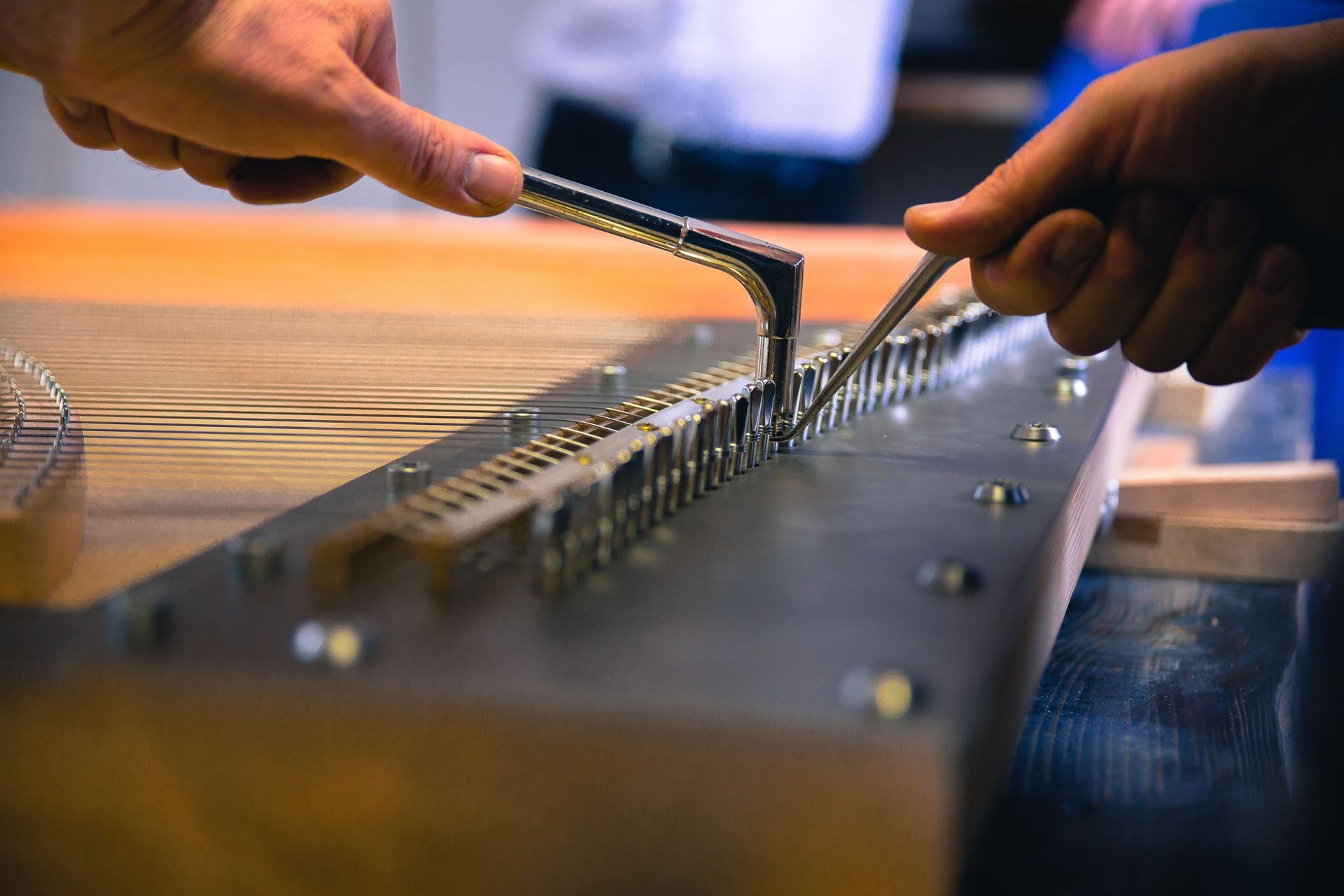
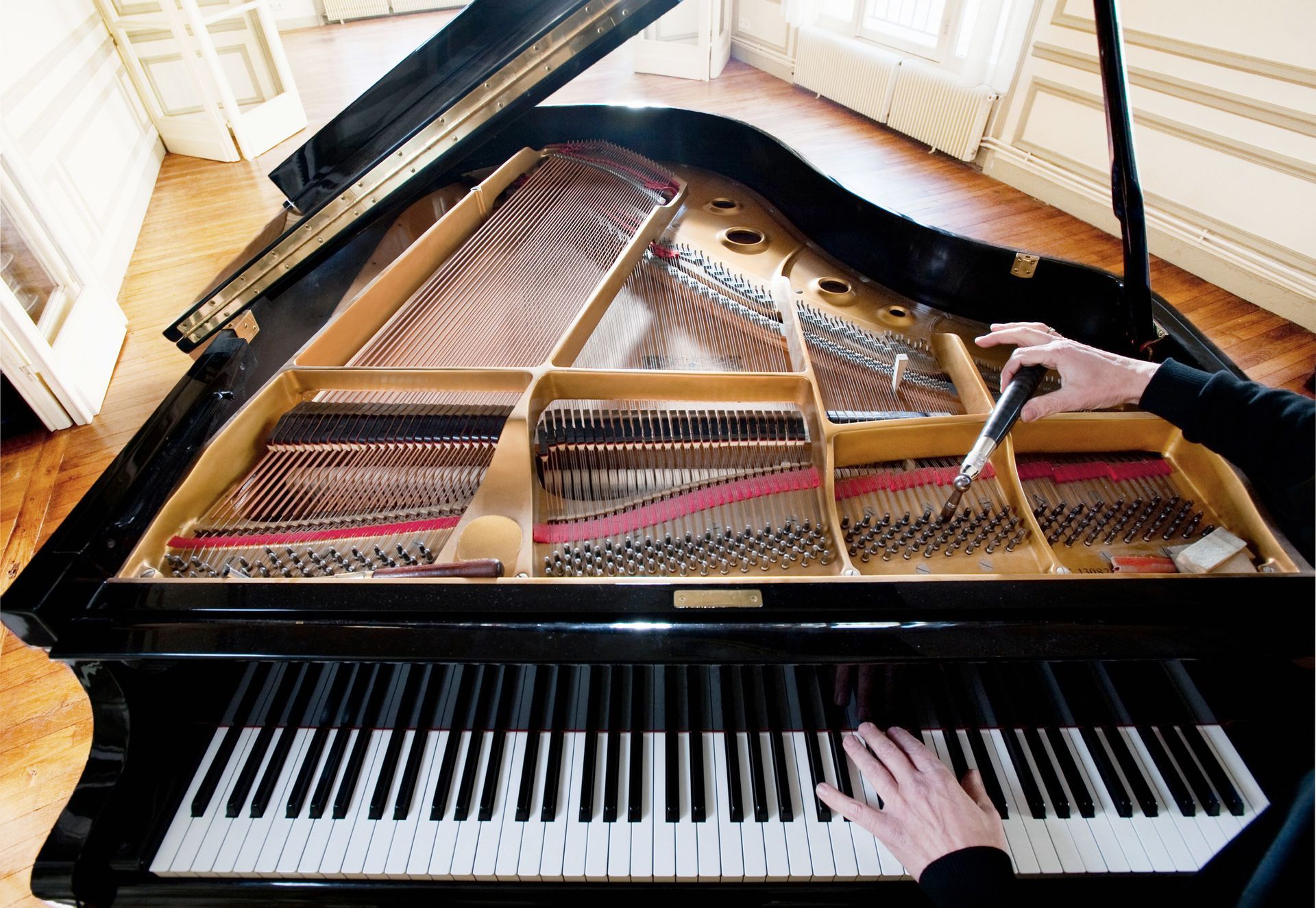
Tuning is the most common form of maintenance, but its benefits extend far beyond simply making the music sound better. A professional technician does not just adjust the pitch; they also perform a visual inspection of the entire internal mechanism. During a standard tuning session, a technician can identify small issues, such as a loose screw or a worn piece of felt, before they evolve into major mechanical failures. Neglecting regular tunings allows the string tension to drop, which puts uneven pressure on the soundboard and can lead to structural instability over time.
Most manufacturers recommend tuning a piano at least twice a year to account for seasonal changes. If an instrument is left untuned for several years, it may require a "pitch raise," which is a more intensive process that puts sudden stress on the strings and frame. This neglect often results in a higher likelihood of broken strings or damage to the pinblock, necessitating avoidable piano repairs. By keeping the instrument at the standard pitch of A440, you maintain the structural equilibrium intended by the manufacturer and prolong the life of every component.
Cleaning the Exterior and Interior
Proper cleaning is a form of preventive care that protects both the aesthetic and functional aspects of the piano. The exterior finish, whether it is high-polish ebony or natural wood, should be dusted with a soft, non-abrasive cloth to prevent scratches. It is important to avoid using household furniture polishes, which often contain oils or silicones that can seep into the wood and interfere with future refinishing. Keeping the keys clean not only improves the playing experience but also prevents skin oils and dirt from migrating into the keybed, where they can cause friction and sticking.
Cleaning the interior is equally important, but should generally be left to a professional to avoid damaging the delicate action. Dust and debris that settle on the soundboard or inside the action can attract moisture and lead to the growth of mold or the corrosion of metal strings. If left unaddressed, this buildup can create buzzing sounds or sluggish key movements that eventually require professional piano repairs. A clean environment inside the cabinet ensures that the mechanical parts can move freely without the interference of grit or foreign objects that cause unnecessary friction.
Protecting the Structural Integrity
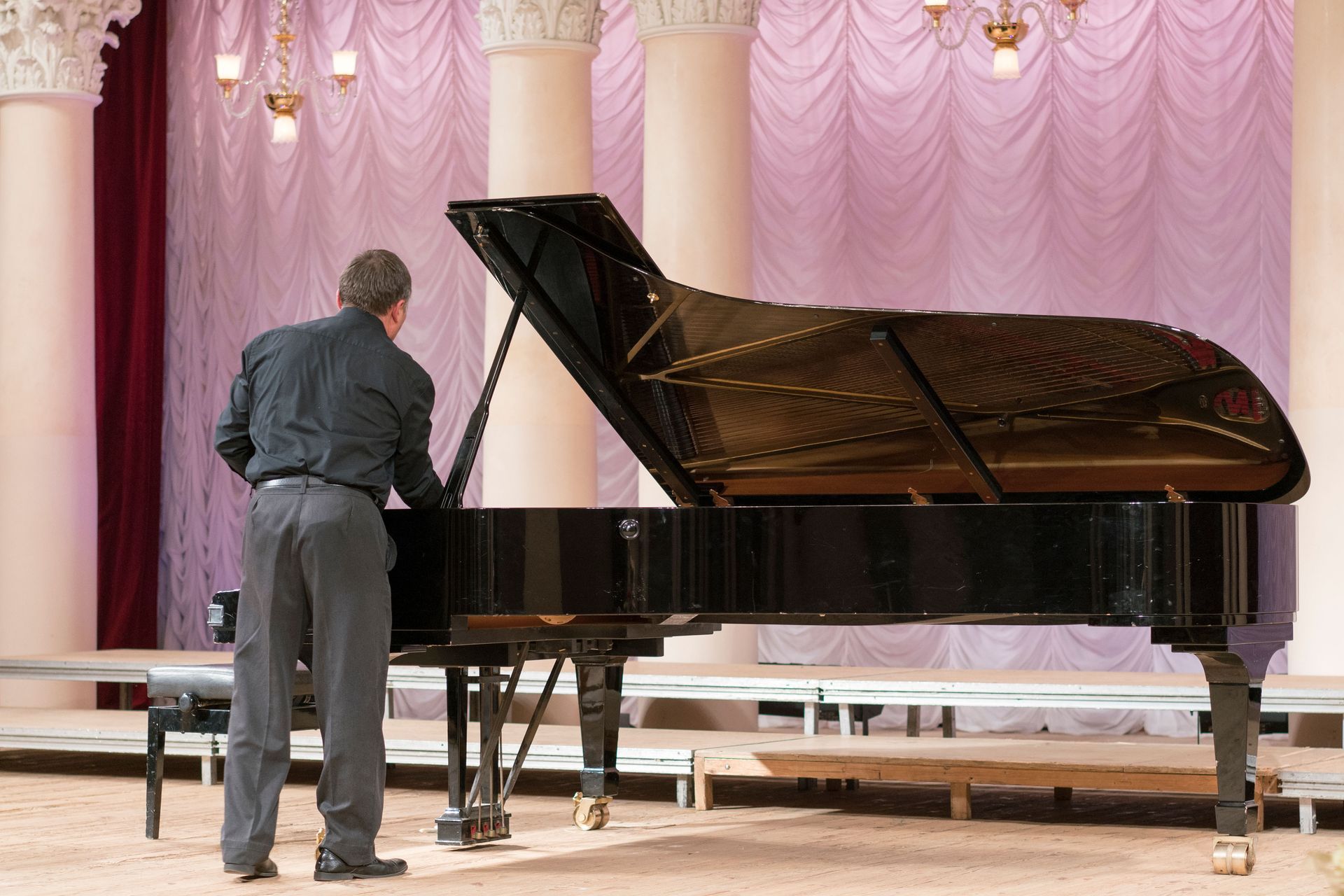
The physical foundation of the piano, including the cast-iron plate, the soundboard, and the heavy wooden rim, must be protected at all costs. While these parts are incredibly strong, they are not invincible to the effects of time and neglect. Ensuring that the piano is level and that the casters are properly supported prevents the frame from twisting or warping. For grand pianos, it is also important to ensure that the lid is closed when the instrument is not in use to prevent dust and objects from falling onto the strings and soundboard.
Major structural issues, such as a cracked bridge or a failing pinblock, are often the result of years of cumulative environmental stress rather than a single event. Regular check-ups allow a technician to monitor the health of these foundational elements. If the structural components begin to fail, the instrument will no longer hold a tune, and the quality of the sound will diminish significantly. Investing in preventive care is the most effective way to defer or completely avoid the kind of structural piano repairs that can cost nearly as much as the instrument itself.
Preventing damage to your piano is a continuous process that requires a combination of environmental control, mindful use, and professional expertise. By maintaining a stable climate and sticking to a consistent schedule of tuning and regulation, you can enjoy a beautiful-sounding instrument for a lifetime. Each small step you take today—from choosing the right location in your home to keeping the keys clean—contributes to the overall health of the piano. While no instrument is immune to time, the rate of its aging is largely in your hands. When you prioritize the care of your instrument, you ensure that it remains a source of joy rather than a source of stress. For expert guidance and professional maintenance to keep your instrument in peak condition, contact Bruce Ryndfleisz Piano Service Inc.