February 11, 2026
Understanding the art and science of piano tuning, as well as the tools and techniques employed by professionals, is essential for maintaining the instrument’s quality and performance. This article delves into the intricate world of piano tuning, addressing frequent questions and offering insights into this specialized field. Professional piano tuning is both an art and a science, requiring years of training and practice to master. This article will provide an in-depth, comprehensive look at the professional standards in piano tuning and the importance of maintaining this delicate balance of sound and precision.
Identify Essential Tools Used in Professional Piano Tuning
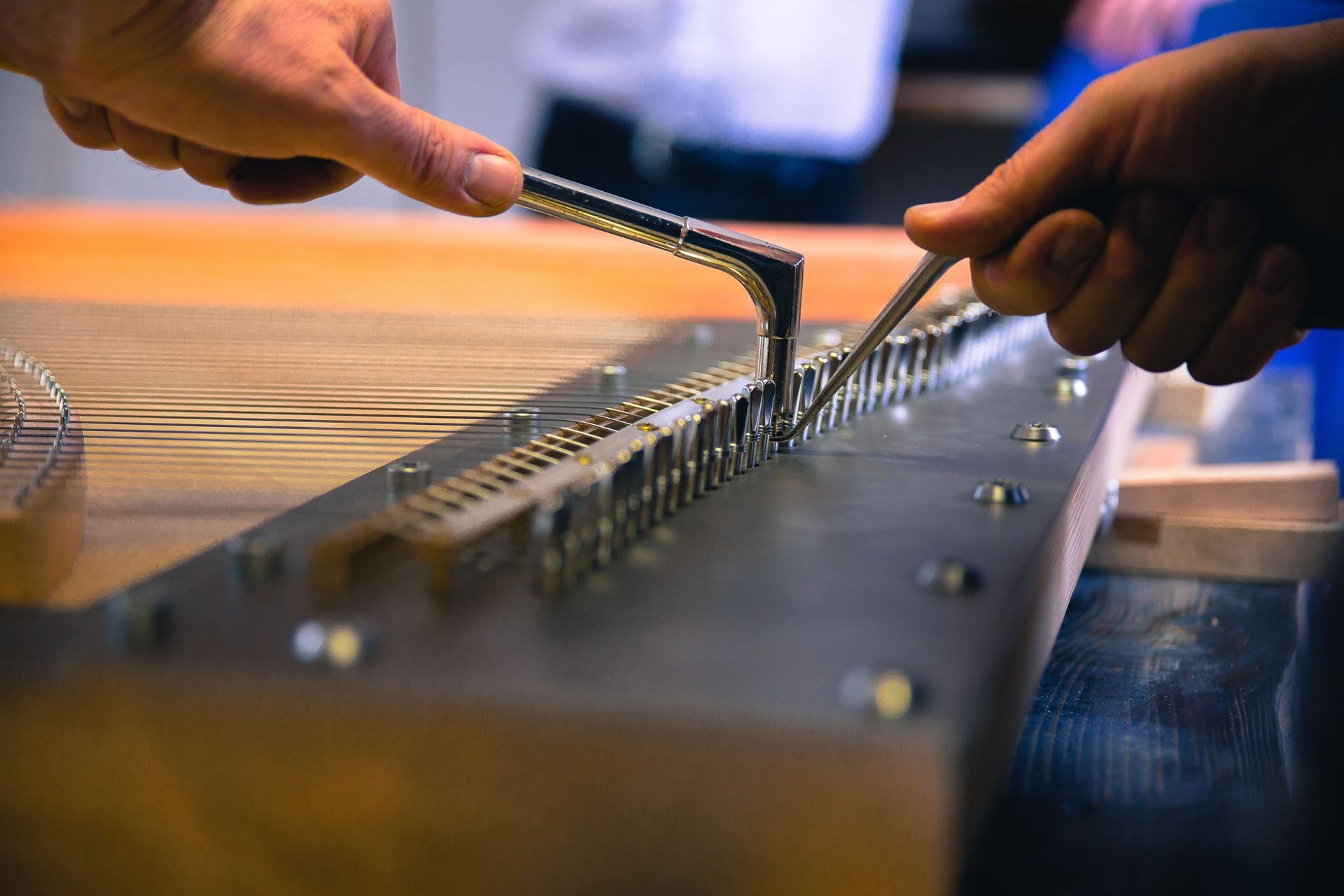
The tuning hammer is one of the most critical tools in a piano tuner’s arsenal. It is specifically designed to fit the tuning pins of a piano, which allows the tuner to adjust the tension of each string precisely. The design and material of the tuning hammer can affect how well a tuner can perform their job. A comfortable, high-quality tuning hammer enables the tuner to make delicate adjustments without unnecessary strain.
An electronic tuning device has become a popular tool among modern piano tuners. This device helps to measure the exact frequency of each note quickly and accurately. While traditional tuning relies heavily on ear training and aural skills, electronic tuning devices offer a more scientific approach. Many tuners will combine these devices with their ear-based skills to ensure the highest accuracy and sound quality.
Piano tuners also utilize a mute kit to assist in their work. Mutes are used to silence specific strings within a group, allowing the tuner to focus on one string without interference from others. Mutes come in various shapes and sizes, each serving a different function during the tuning process. By isolating individual strings, a tuner can ensure each note is tuned correctly, contributing to the overall harmony of the piano.
Tuning forks have been an integral part of piano tuning for centuries. These tools produce a pure tone of a specific pitch, usually A440, which serves as the standard reference point for tuning. Tuning forks are prized for their simplicity and reliability, providing a consistent pitch that does not change over time. Although electronic devices have become common, many tuners still use tuning forks as a backup or double-check during the tuning process.
Maintenance tools are also crucial for a tuner's kit. These tools allow the tuner to make necessary adjustments and repairs to the piano’s mechanical components. For instance, loose or worn parts may need to be tightened or replaced to ensure that the piano performs optimally. A well-maintained and tuned piano not only produces music that is pleasing but also has an extended lifespan, ultimately protecting the investment made by the owner.
Prepare the Piano Through Careful Assessment and Setup
Professional tuners begin the tuning process by assessing the piano’s current condition. This assessment includes checking for any noticeable defects or wear that might impact the tuning process. Factors such as the environment in which the piano has been kept and the frequency of past tunings are also considered. A careful initial evaluation ensures that the tuner can address any pressing issues before proceeding with the tuning session.
Once the initial assessment is complete, the tuner will set up and arrange their tools in preparation for tuning. Each tool has its designated purpose, and having them organized is crucial for an efficient tuning session. This organization enables the tuner to focus more on the art of tuning rather than being distracted by searching for tools. Proper setup contributes to a smoother and more precise tuning process.
Inspecting the piano strings is another critical step before the actual tuning begins. The tuner will check for signs of rust or uneven tension, which can significantly affect the piano’s sound. They also look for any broken or compromised strings that need to be fixed or replaced. Proper inspection and maintenance of the strings helps maintain the piano’s tonal quality and overall health.
Evaluating the tuning pins is a crucial part of the preparation process for professional tuners. Tuning pins might become loose or worn over time, impacting the piano’s ability to hold a tune. By evaluating the tuning pins, tuners can decide the best approach to secure or replace them, ensuring the piano remains in tune for as long as possible. Like the strings, the tuning pins play a critical role in the sound construction and longevity of the instrument.
According to the National Association of Music Merchants, sales of the acoustic piano in the U.S. rose 1.2% in 2020 despite the pandemic, with over 30,000 units sold, driving demand for tuning services every six to 12 months to preserve tonal accuracy. This rise in sales highlights the importance of having skilled professionals who can maintain these instruments in optimal condition. Regular tuning, along with proper maintenance, is essential to keep pianos performing at their best amidst increasing demand and usage. The importance of meticulous preparation cannot be overstated, as the longevity of the piano’s sound quality largely depends upon it.
Apply Advanced Techniques to Achieve Precise and Balanced Tuning
One of the first techniques used in fine-tuning a piano is pitch correction. This involves adjusting the overall pitch of the piano to match the desired standard frequency, usually A440. Pitch correction is necessary when the piano has drifted significantly from the standard due to factors like environmental changes or a lack of recent tuning. Pitch correction sets the foundation for the rest of the tuning process, ensuring that all notes are in harmony.
Interval piano tuning, another critical technique, focuses on tuning the relationships between different notes. The tuner carefully adjusts the intervals between notes to achieve the best possible harmonic balance. By methodically working through scales and octaves, the tuner ensures that the piano sounds consistent across all its registers. Mastering interval tuning allows the piano to produce well-rounded and pleasantly resonant harmonics.
Stretch tuning is a unique technique employed by professional tuners to enhance a piano’s sound. Humans perceive higher-pitched notes as sharper, so stretch tuning compensates by slightly expanding the octaves, giving the illusion of perfect harmony. This subtle adjustment improves the overall tonal quality, making the higher register notes resonate beautifully. Stretch tuning is a sophisticated technique that enhances the listener’s experience, showcasing the piano’s full sonic potential.
After the core tuning techniques have been applied, tuners engage in final adjustments and a thorough check. They listen intently to the sound produced by each key and make any necessary micro-adjustments. This last step ensures that the piano is perfectly in tune and that the adjustments made earlier are cohesive across the entire instrument. It is a meticulous process requiring patience and a keen ear to identify even the slightest discrepancies.
Through the application of advanced tuning techniques such as pitch correction, interval tuning, and stretch tuning, professional tuners maintain the integrity of the piano’s sound. These techniques help to produce the rich, vibrant notes that pianos are known for. The attention to detail during the final adjustments guarantees that every performance and practice is a pleasure for musicians and audiences alike. Regular piano tuning is an investment in ensuring that the instrument remains a cherished part of musical expression.
Professional piano tuning combines manual dexterity with an acute sense of hearing and precision tools. By exploring common questions about tuning, this article equips readers with a deeper understanding of the process and importance of key techniques and tools in ensuring a piano's optimal sound quality. The role of the piano tuner is vital in maintaining the instrument’s longevity and the musician's expressive potential. As the demand for professional piano tuning rises, the insights provided here underline the importance of skilled craftsmanship in safeguarding the essence of musical artistry. Reach out to Bruce Ryndfleisz Piano Service Inc to learn more about our services today.